Crankbait Fishing
Easy Difficulty — Spring, Summer, Fall
Difficulty
Easy
Water Types
Seasons
What Is the Crankbait Fishing?
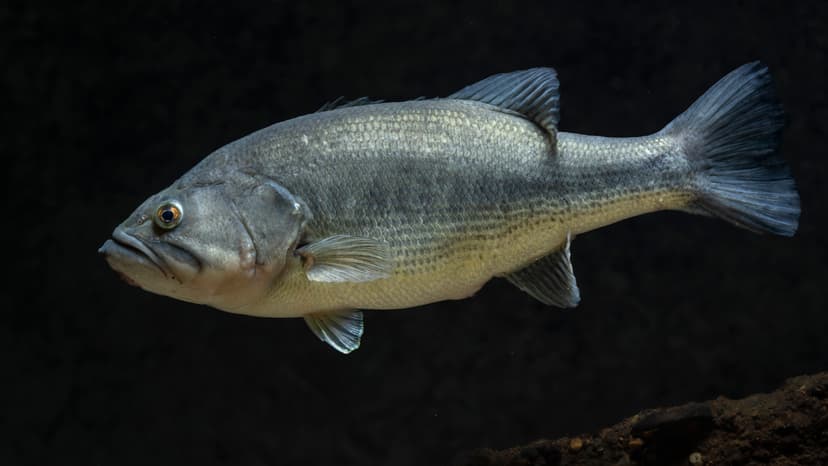
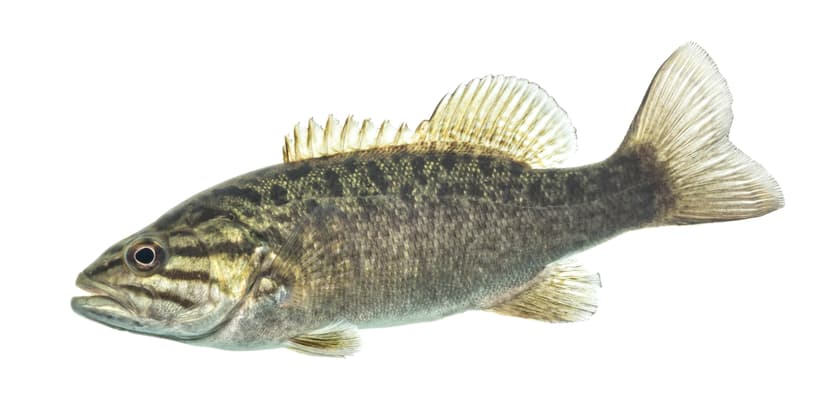
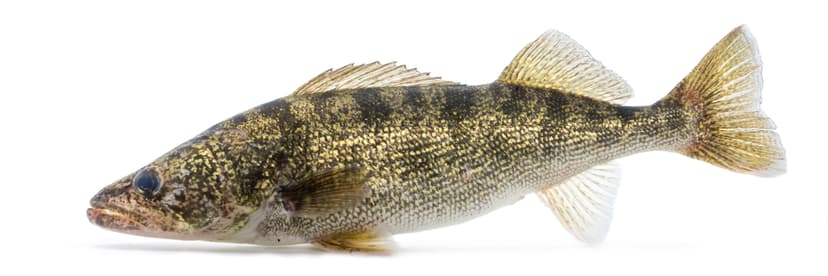
Crankbait fishing is a power technique that uses lipped diving lures to cover water quickly and trigger reaction strikes. By selecting the right bill size, you can target specific depth ranges while the lure deflects off cover, mimicking a fleeing baitfish and provoking aggressive strikes from bass, walleye, and other predators.
Step-by-Step Guide
Select the Right Crankbait Depth
Match the crankbait diving depth to the water you are fishing. Shallow cranks (2-5 feet), medium divers (6-12 feet), and deep divers (12-20+ feet) each have specific applications. The lure should contact or run just above the bottom or cover.
Choose the Right Color
Match the hatch: use shad patterns in clear water with baitfish, crawfish patterns around rocky bottoms, and chartreuse or bright patterns in stained water. Contrast matters more than exact color match.
Tie Directly or Use a Snap
Tie the crankbait directly to your line with a Palomar or clinch knot, or use a small round snap (not a snap-swivel) to allow maximum lure action. Avoid snap-swivels, which hinder the wobble.
Make a Long Cast
Distance is critical with crankbaits because they need room to reach their maximum depth. Long casts mean the lure spends more time in the strike zone at peak depth.
Use a Steady Retrieve
Start with a steady medium-speed retrieve. The consistent wobble of a crankbait does the work for you. Let the lure dig into the bottom or tick off cover as you reel.
Deflect Off Cover
The magic of crankbait fishing happens when the lure hits something — a rock, stump, or branch — and deflects erratically. This random change of direction triggers reaction strikes. Intentionally crank into cover.
Pause After Deflection
When the crankbait deflects off cover, briefly pause the retrieve for half a second. Many strikes come immediately after the pause as the lure rises and then resumes its wobble.
Handle the Strike
Crankbait strikes are usually violent and unmistakable. Do not set the hook hard — simply keep reeling with steady pressure. The treble hooks do the work. A hard hookset often rips the bait free.
Required Gear
- Crankbaits (Shallow, Medium, Deep) — Stock a selection of crankbaits in various diving depths. Key models include squarebills for shallow, medium-diving round-bills, and deep-diving crankbaits with large lips.
- Medium-Power Cranking Rod — A 7-foot medium-power moderate-action (parabolic) rod absorbs the violent strikes and keeps treble hooks from tearing free during the fight.
- Baitcasting Reel (5:1 to 6:1 ratio) — A slower gear ratio reel provides the torque needed to pull deep-diving crankbaits and prevents retrieving too fast.
- Monofilament or Fluorocarbon Line (10-14 lb) — Monofilament stretches to absorb shock and prevent hooks from pulling. Fluorocarbon sinks, helping the bait reach maximum depth. Both work well.
- Split Ring Pliers — Essential for replacing worn treble hooks on crankbaits. Upgrading to premium hooks can dramatically improve hookup ratios.
Recommended Gear
Mustad KVD Elite Triple Grip Treble Hook #4
Mustad
$5.49
Mustad KVD Elite Triple Grip Treble Hook #2
Mustad
$5.99
Common Mistakes
- Setting the hook too hard on a crankbait strike — the treble hooks need steady pressure, not a violent snap.
- Using a rod that is too stiff, which rips treble hooks free during the fight. A moderate (parabolic) action is essential.
- Retrieving too fast and above the strike zone instead of letting the bait dig into the bottom and contact cover.
- Not making long enough casts, which limits the time the crankbait spends at maximum diving depth.
Pro Tips
- When your crankbait keeps snagging, switch to a squarebill design — the flat lip deflects off wood and rock better than round bills.
- Upgrade your treble hooks to premium short-shank trebles for better hookup percentages and reduced snagging.
- In cold water, slow your retrieve dramatically and use suspending jerkbait-style cranks that hover in the strike zone.
- Use line diameter to fine-tune depth: thinner line lets the bait dive deeper, while thicker line keeps it shallower.
- Mark your crankbaits with their actual tested diving depth so you can quickly select the right one on the water.